Archive

Tag Archives: aviation security

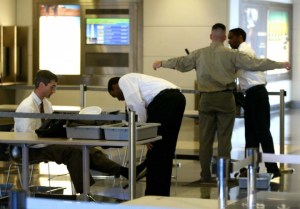
airport-securityPublic opinion varies wildly about the effectivity of airport screening, with many passengers simply feeling violated after security screening, rather than safer.

The TSA has been around for 15 years, and recent reports suggest that screening personnel are under-performing. Some think that there is too much focus on the process of screening, and not enough on performance, which could lead to another terrorist attack.

Perhaps the answer lies in automated airport security, and with the introduction of sophisticated biometric security systems, why not? If human error is to be blamed for under-performance, then airports around the world are bound to become reliant on technology to keep borders secure.

Drone crashes into Empire State Building | Business Aviation BlogA drone controller was arrested this week after Tweeting about crashing his drone into the Empire State Building.

Sean Riddle was charged with reckless endangerment and navigation inside the city of New York following the crash into the 40th floor of the historic monument. The drone then fell to the 36th floor and Mr Riddle called Empire State security to retrieve it.

The Republic of the Maldives | Popular tourist destination improves border control systemThe Republic of Maldives, a popular tourist destination, has announced the installation of an upgraded border control system to improve passenger processing standards.

The new systems include a biometric passport registration facility, fingerprint identification system and automatic gates (eGates) to allow passengers to pass through border control at Ibrahim Nasir International Airport using their ePassports to achieve automatic clearance through immigration.

Delivered by Dermalog, a German biometrics company, the new systems are now in operation.

Biometric border control systems are becoming increasingly necessary across the world, when terror threats are at their worst. Other providers of ePassports and fingerprint recognition systems also deliver facial recognition applications to enable another layer of border security.

More about providers of physical security for airports and facilities | Business Aviation NewsFollowing two failed bids going back to February of 2014, Manila’s International Airport Authority has said that the final bid proposal has now been set for the beginning of March.

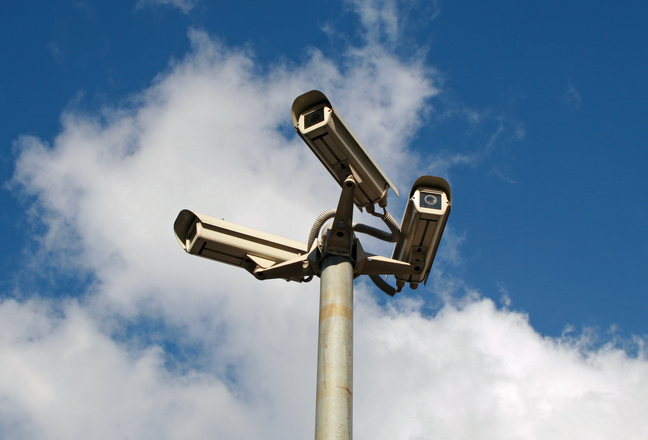
The CCTV system will be implemented at Ninoy Aquino International Airport and will feature state-of-the-art functionality to replace the current outdated system that has been in situ since the 1990s.

Strict deadlines must be met by potential bidders, and specifications include the facility for facial recognition and heat signature readers. The contract will also include a total of 700 cameras to be located throughout the terminals, parking areas, entry checkpoints and perimeter and ensure total coverage.

Today’s airport environment has vulnerabilities that the latest technologies can overcome. Providers of physical security systems all over the world are recognising the need to secure airports and borders using more than just simple security camera systems.

Providers of technology solutions for aviation security and biometric passenger screeningThe Aviation Security Symposium and Awards (AVSEC) opening convocation in Dubai began with a warning from Emirates CEO, Sir Tim Clark, that both airlines and security professionals must keep pace by working together in the face of ever-increasing and sophisticated threats to global aviation.

Sir Clark said that ‘If the threats have changed, then so must the management of these threats,’ speaking of the 9/11 terror attacks and the issue of reliance of metal and x-ray detectors to screen passengers and cargo, making the assumption that security ‘has been enforced.’

While technological solutions are improving across the world, particularly in the area of biometrics screening, Clark also stressed that training and education of both professionals and the public about security threats is key to maintaining safety.

Business Aviation News | Aviation Security ImprovementsOn the 14th anniversary of the 9/11 terror attacks, we take a look at how those tragic events have led to improvements in aviation security and in counter-terrorism.

In the months following the attacks, physical security in airports around the world, and particularly in the US significantly tightened. The TSA immediately launched a comprehensive aviation security program and passenger and luggage screening became a major priority.

As the years have passed, technological advancements have led to the implementation of advanced passenger screening systems. The provision and requirement of Advance Passenger Information has become almost industry-standard across the world and security training has also been stepped up.

There are still threats to security on an international scale, but there is no doubt that the events of 14 years ago today have strengthened our resolve to never let it happen again.

APIS Providers for Aviation Security | Business Aviation NewsAs countries around the world join the fight against terrorism and strive to improve their border security, South Korea make changes following a test period that saw them refuse 157 travellers from Thailand.

Previously, South Korea received passenger data via APIS after flights had left the originating airport. Then, if any passenger was ‘flagged’, airlines would have to return them to the point of departure, causing delays and incurring expense.

Now, the changes suggest that South Korea will require Advance Passenger Information before tickets are issued. The information will be screened by the ministry and only after approval, will tickets be sold to the passengers.

A statement from the South Korean Ministry said that the aim is to ‘strengthen the aviation safety and border security by analysing the passenger information in advance.’

Find Out More About Information Management for Aviation and Facility SecurityRockwell Collins has announced another acquisition with the purchase of International Communications Group Inc. in a $50 million deal, which may rise by an additional $14 million after the deal is completed.

ICG Inc., based in Virginia, provides the aviation industry with global satellite voice and data communications products and services. Once the deal is finalised, Rockwell Collins will integrate ICG’s portfolio into its growing information management business, particularly with the latest generation of Iridium smart routers and satellite communications terminals.

CEO of ICG Inc., Mr Scott Trainum said of the acquisition, “Bringing ICG into the Rockwell Collins family is the culmination of 20 years of hard work by the dedicated team of professionals at ICG. [This is] a remarkable accomplishment by all of our people.”

ADS-B Equipage Mandate Privacy Proposals Explored by FAAIt has been a concern of business aviation officials that mode-S transponder transmissions can be tracked online and traced to the originator. Since most networking with ICAO addresses is now processed via the internet, reservations have been expressed throughout the aviation community and a working group was set up as part of the ADS-B Equip 2020 panel to investigate and discuss privacy concerns, and to put forward proposals for tight security for transmissions.

A white paper was delivered surrounding measures for proposed security for mode-S transponders this week and includes proposed development of the ability to change codes on a regular basis. This would involve the introduction of a privacy office to handle such changes. In the long-term, the FAA should explore encryption possibilities within the transponder itself.

Find Out More About Aviation Security SystemsAVSEC, this year’s IXG aviation security conference will be held in Dubai over two days – 16th and 17th September – and will discuss the latest security needs and requirements of the aviation industry in an exploration of how technology today can enhance the industry’s ability to meet the growing challenges in this sector.

Key topics will include an assessment of ‘new and evolving threats to civil aviation’, developments in technology, cyber security, emergency response and crisis management, ways to maintain a motivated security workforce and, perhaps most importantly for some, passenger processing and handling in a discussion entitled ‘Integrated Design for Aviation Security Systems’.

Throughout the world, aviation security systems are becoming increasingly automated, and there is a growing demand within the security sector for additional physical security equipment and systems to cope with the growth in passenger numbers. Providers of physical security systems for aviation are under pressure to provide systems integrating physical and cyber security measures for comprehensive protection against the threat of attack.