UK Borders Security Scheme Criticised | Business Aviation NewsThe UK’s Home Office has been openly criticised this week over the e-borders scheme, which was besieged by problems since it was launched in 2003, last year ending its current form, which proved to be completely ineffective.

The borders scheme, costing around £830 million originally intended to collect passenger data and perform analysis on all travellers arriving at and leaving the UK’s airports and seaports.

Many of the criticisms are regarding not only the spending acceleration of the project, but also its failure to meet its targets, with an estimated 20% of booking data being collected, compared to the 100% original target figure. Advance Passenger Information collection in September of this year was at 86%.

The original contract for the provision of the e-borders technology was cancelled, and a subsequent £150 million settlement was paid out-of-court.

While the system has been upgraded, the original e-borders scheme is way overdue, with an estimated completion date now set at around 2019, eight years past the intended deadline.

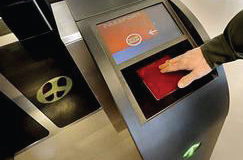
E-borders technology improvements all over the world are proving successful in the ability to track the movements of terror suspects and to minimise the risks to national security. The latest developments offer solutions using biometric data and self check in.

The UK Home Office maintain that despite the delays and problems with the implementation of the new e-borders system, all arrivals on UK shores are checked against national watch lists.

Providers of Airport Systems Technology | Business Aviation BlogAll over the world the face of airport operations is changing – from security to check-in – and operators are looking to the latest innovations in technology to further enhance efficiency throughout the airport environment.

The complex sector of IT infrastructure is not overlooked, as the self-service revolution intensifies and even more systems need to communicate with one another, and recognise biometric data of passengers and personnel.

The largest airport technology and systems providers are constantly updating their solutions to give airports exactly what they need to operate at the optimum efficiency. What is needed is a robust IT infrastructure to handle the millions of pieces of data that pass through airport systems every day.

The Benefits of eHub | Find Out MoreRockwell Collins’ ARINC AviNet Enterprise Hub solution has gone live with Aviator Airport Alliance in Norway, it has been announced.

The Norwegian company wanted a proven system that was IATA compliant and cost-effective. The chose the AviNet solution with a reliability that spans more than 50 years in the aviation industry, delivering mission critical communications.

Throughout Europe, the AviNet Mail messaging solution, and AviNet Connector are used for the exchange of aviation messaging, for passenger data, cargo manifests and business-to-business communications.

More About CPDLC from Leading Providers | Aviation Industry NewsA FANS 1/A STC for Bombardier’s Challenger 604 involved a collaboration of Rockwell Collins and Jet Aviation St Louis, combining experience from both companies on the airframe.

The aftermarket FANS 1/A solution package offers CPDLC compliance and ADC-C to reduce the workload for the crew on the flight deck while navigating remote global airspace and vast oceanic expanses.

As we know, CPDLC gives access to equipped aircraft to preferred tracks, further enhancing flight efficiency with the benefit of time and fuel savings. Rockwell Collins’ Pro Line Fusion avionics is a necessary suite for FANS and is already widely used.

UK Aviation Security Budget Doubled | Aviation Industry NewsThe UK Prime Minister, Mr David Cameron has announced that the UK aviation security budget will be doubled to £18 million, in a bid to combat the threats to the country, and following the devastating attacks in Paris that have rendered France in a state of emergency.

Mr Cameron also claimed that seven terrorist plots in the UK had been headed off during this year, one of which was in the last month.

He also added that government funding plans include the recruitment of 1900 additional officers for the intelligence agencies GCHQ, MI5 and MI6.

The news is welcomed as a general feeling of concern spreads through the UK and other European countries. Mr Cameron will be in meetings with heads of state from around the world in the coming weeks and months to discuss the possibility of attacks on Daesh, the Islamic group that claims it was behind the recent attacks.

Other Type B Mission Critical Messaging Solutions Providers | Aviation Communications NewsCanada-based Latitude Technologies has joined the aircraft messaging sector for next generation solutions with their satellite data unit, DL150, which will support ACARS and CPDLC, and complete their FANS 1/A+ offering.

As the commercial and business aviation industry moves towards a holistic approach to flight communications, and with the CPDLC compliance initiative just around the corner, operators are searching for the most competitive aircraft messaging solutions.

Other providers, such as Rockwell Collins’ ARINC, with their CPDLC and Type B messaging suites, are delivering packages to ensure their customers find the right fit for their business and requirements.

ATP Acquired by ParkerGale Investment Company | Business Aviation NewsAircraft Technical Publishers (ATP) has been acquired this week by ParkerGale Capital LP, Chicago-based investment company for an as yet undisclosed sum.

ATP has offered information management services to the aviation industry since 1973, with an aim to provide safety and compliance. Family-owned, ATP will continue with a new CEO, Charles Picasso, former CEO of IHS Inc. with a proven track record in the information management sector.

Caroline Daniels, former CEO of ATP felt that she had made the right choice to take her business forward with Mr Picasso and ParkerGale, who look forward to taking over.

Japan Welcomes Business Jets | Aviation Industry NewsThe Japanese Civil Aviation Bureau has pledged to make its airports more attractive to the business aviation sector after admitting that they were ‘not so user-friendly’.

In the last five years, Japan has been taking steps to make business aviation a larger part of the country’s growth strategy, particularly in advance of the 2020 Tokyo Olympic Games.

The improvements include a number of measures to make the major airports more accessible to corporate jets with additional parking, additional taxiways and dedicated customs and terminal space for business passengers.

A spokesman for the Civil Aviation Bureau said that although the results of the initial efforts have been slow, the first six months of this year has shown an increase of 14%.

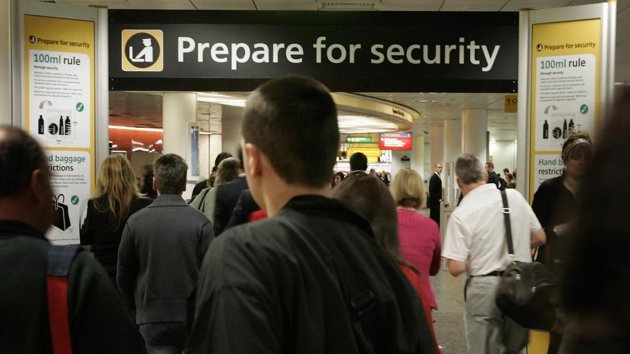
More About Original Bag Drop with Self-Service Options | Airport Operations NewsMany passengers dread the security screening process in airports. Although most of us are not carrying prohibited items, that feeling of being screened give us a sense of guilt anyway.

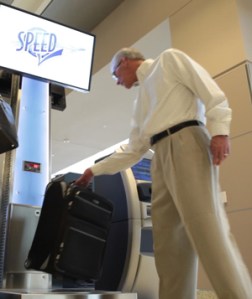
Baggage handling systems in airports have inevitably improved in the past five years and screening using the latest technology has undoubtedly speeded up the entire check-in process. Systems such as ExpressDrop have given passengers greater control of their journey times using self-service kiosks and bag drop desks to have baggage weighed, measured and tagged before leaving the terminal to continue through the screening process.

Some of the world’s top security experts have said that the greatest threats to airport security can come from inside the terminal, with personnel having greater access to vulnerable areas. It is thought that the Metrojet incident was likely caused by the placement of a bomb by a baggage handler, which begs the question are these self-service, automated systems going to improve security by effectively reducing the amount of handling baggage goes through by ‘real’ hands?

Undoubtedly, airport security screening must step up to look as closely at the airport staff as it does at the passengers, particularly now, as the entire world feels vulnerable to attack.

More About Automated Border Management | Airport Security NewsWith issues of airport security rising significantly every day, operators, agencies and governments are turning to the latest technology to ensure critical security measures are maximised at airports all over the world.

With solutions for electronic identity and automated border control, travellers can feel as though they are protected, without adding time and hassle to their journey.

Recently, Keensight Capital invested in Vision-Box, a Lisbon-based automated border control provider, who produced a biometric solution to keep passengers moving through border security, including automated gates and identity management.

Rockwell Collins offers a range of automated border control solutions using eBorders technology with biometric benefits for both passengers and airports, maintaining high levels of security and integrating self-service applications.

As the world looks to the largest providers of automated border security solutions to keep security measures in place, passengers can also look forward to a streamlined and efficient passage through airports.