Archive

Monthly Archives: January 2016

cabin-services-worldwideThe recent publication of the ‘Airworthiness Approval of Installed Passive Ultra-High Frequency Radio Frequency Identification’ has offered comprehensive guidance for the use and installation of RFID tags on aircraft parts and components. The guide includes information for passive RFID tags only and not those that use communication via satellite, cell phone or wireless tech.

RFID tags are increasing in popularity and usage, in all areas of technology – from retail shopping to airline baggage tagging.

Some humanitarian groups are concerned with the levels of data that can be stored within the tags, but there is little doubt about the increased security the new types of tags can deliver.

aviation_airgrounddata2Arizona-based Associated Air Centre, an aircraft maintenance and modification specialist, has been granted FAA STC for its Boeing VIP business jet, giving the go-ahead for CPDLC installation.

CPDLC is a part of the requirement for FANS compliance, and is being much discussed in the industry in terms of the benefits for flight deck communications around the world, weighed with the additional burden of cost implications.

Regardless, the mandates are forging ahead with plans for completion in 2020 – an extension of the previous 2016 deadline.

Providers of Controller-Pilot Data Link Communications (CPDLC) systems around the globe are hailing CPDLC as the only answer to safety in the skies as burgeoning air traffic numbers continue to rise year-on-year.

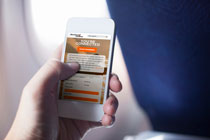
cabinconnectGXIn a recent report from aviation analysts, it was found that the prices passengers are paying for inflight Wifi varies wildly, with some airlines offering a free service, and others charging up to £30.

So why the huge difference? Some providers say that the cost of installation of the aircraft system is a significant contributor to the high cost, yet it seems to be mostly the budget airlines offering free access, surprisingly.

Another complaint from passengers is the speed and quality of inflight Wifi. Onboard internet can be provided in two ways – via satellite communications or via air-to-ground communications systems. The air-to-ground option delivers higher speeds, but satellite is necessary for connectivity over oceanic expanses.

A growing number of airline passengers require inflight Wifi. Some commercial passengers want access to social media, or want to stream information, but others require access for business purposes. Executive travellers can often ‘charge’ inflight Wifi to their business expenses, but others are simply refusing to pay high prices that can be comparable with the cost of a monthly broadband fee at home.

Airlines need to look at their options, as it appears that the provision of inflight Wifi may become a source of competition amongst the airline community as time goes by.

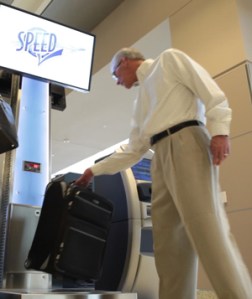
aviation_expressdropNarita International Airport has renewed and expanded a contract with Rockwell Collins for the deployment of ARINC Common Use and Self-Service Passenger Processing systems in Terminals 2 and 3.

Passengers will be able to check-in faster, which will be of enormous benefit to the airport, being Japan’s second busiest with more than 35 million passengers passing through every year.

Rockwell Collins’ ARINC airport systems offer a wide range of solutions for airports of all sizes, including offsite baggage check-in options with ARINC ExpressDrop.