 In today’s modern cockpit, it is difficult to imagine what navigation must’ve been like back in the days before GPS and datalink air traffic control, on-board computers and high-technology.
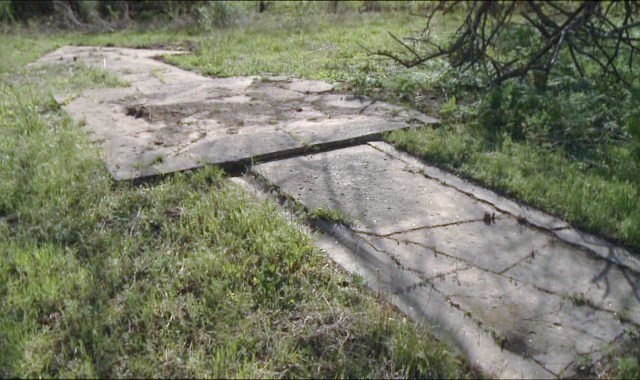
Evidence of how 1920’s, 30’s and 40’s pilots navigated around the country is still visible today in parts of Kansas in the form of giant concrete arrows on the ground. The U.S. government built a series of light beacons at 10-mile intervals along certain flight paths, including the most famous which stretched from New York City to San Francisco. Underneath many of these beacons were placed the huge arrows.
Today, four of these arrows and one tower are left in Kansas at the Kansas City – Amarillo Airway. Although three are located on what is now private property, one is public; located at the southern end of the Anthony Municipal Airport and attracts hundreds of enthusiasts each year. While they can be seen from the ground, the most clear view is given by satellite images, as the original intention, of course, was to view them from the air.
It is fascinating to think of these as essential navigation for pilots using the eyes as the greatest instrument, rather than reliance upon the many navigational technological advancements that we see today.

 Business Aviation News